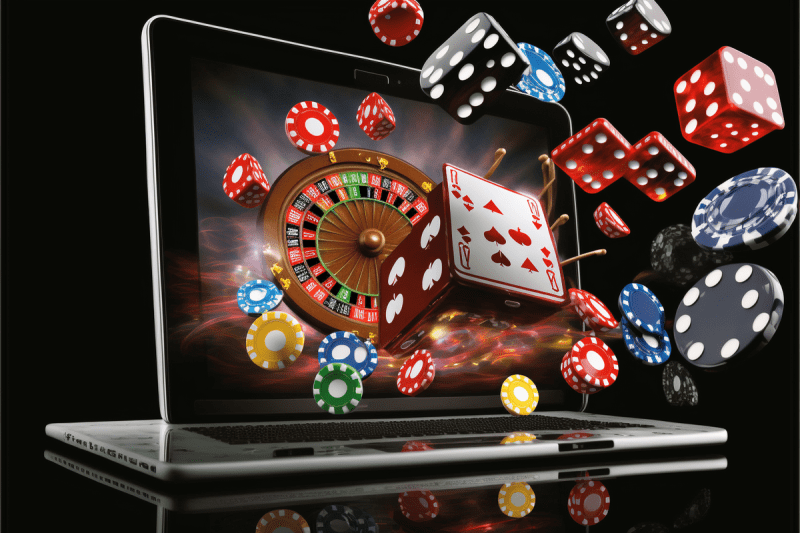
The Mood Behind Casino Design
Every casino, whether physical or digital, is built on emotion. It’s not only about winning or losing, but about how—visually and audibly—it makes people feel. The screens, the sounds, the subtle feedback loops, all merge to create something that keeps players there, curious, focused, maybe even hopeful. When I first entered an online gambling platform, I didn’t think design mattered much, but it does. In fact, everything you see and hear shapes the way you play.
This becomes even more obvious when browsing cross-platform gaming experiences like the cricket app online game, where visual rhythm and soundscapes enhance focus in a similar way to casino platforms. The shared element is mood—crafted design that speaks quietly but persistently, guiding action while feeling effortless.
Designing Atmosphere and Believability
Casino user experience (UX) design is rarely about excess. It’s about coordination between tension and relief, visibility and subtlety. The bright animations aren’t just flashy, they time themselves with emotional peaks during gameplay. The result feels orchestrated, not random, almost like a film that never ends.

1. Layout and Color Psychology
Players react instinctively to spatial balance. Symmetry relaxes while contrast energizes. Red implies risk, gold radiates reward. Designers test these reactions in micro-interactions—the kind that happen when a button flashes or a spin completes. Small signals accumulate and shape trust.
2. The Feel of Authentic Space
Online casinos simulate textures of “realness” through lighting gradients and subtle motion effects. Transparency layers mimic glass; shadows mimic depth. Developers often test multiple layouts to find the most convincing visual echo of an actual casino hall.
- Vibrant icons stimulate instant recognition.
- Subtle gradients calm the eye for prolonged focus.
- Rounded edges evoke softness and comfort.
| Design Element | Psychological Effect |
|---|---|
| Warm Color Palette | Encourages energy and perceived luck |
| Motion Animation | Builds anticipation during spins |
| Symmetry in Layout | Increases player trust subconsciously |
Audio Layers That Build Emotion
Sound is one of those features you only notice when it’s off. Casino audio is the pulse beneath everything else. Background melodies regulate rhythm; click tones respond with instant affirmation. I sometimes think it’s the emotional steering wheel, while visuals are the map.
The Craft of Casino Sound
Let’s be honest, designers could use silence—but they don’t. Silence implies pause, reflection, maybe reconsideration. Casinos, by contrast, need continuity. Through loops, stingers, and harmonic layering, developers ensure no quiet space feels truly empty.
- Start with subtle ambient backgrounds that mimic a full room.
- Add responsive chimes for wins or progression triggers.
- Use minor key transitions for tension before spin results.
These techniques rely on expectation management. They invite curiosity. They make you wait just a second too long before the reels land. Suddenly, you’re holding your breath.
The Intersection of Design and Audio
A well-designed casino interface synchronizes visual feedback with acoustic reinforcement. This consistency strengthens user immersion. The better aligned the signals, the deeper the engagement becomes. Even subtle inconsistencies can disrupt the illusion.
| Feature Layer | Purpose | Emotional Outcome |
|---|---|---|
| Button Click Sound | Signals player control | Confidence boost |
| Reel Spin Animation | Enhances expectation build-up | Emotional escalation |
| Victory Fanfares | Reinforces gratification | Encourages repeat plays |
- Synchronization between sight and sound deepens flow state.
- Incoherent design weakens emotional stickiness.
- Small feedback cues often work better than grand gestures.
Conclusion
Design and audio aren’t just accessories of a casino’s UX; they are the twin anchors of the entire experience. They don’t tell you directly what to feel, they suggest it. That’s the beauty of craft—quiet, persuasive, always humming beneath the surface. Next time you spin a reel or collect a bonus reward, notice how the flicker and hum work together. Maybe it’s calculated, maybe it’s art—or maybe, it’s both.