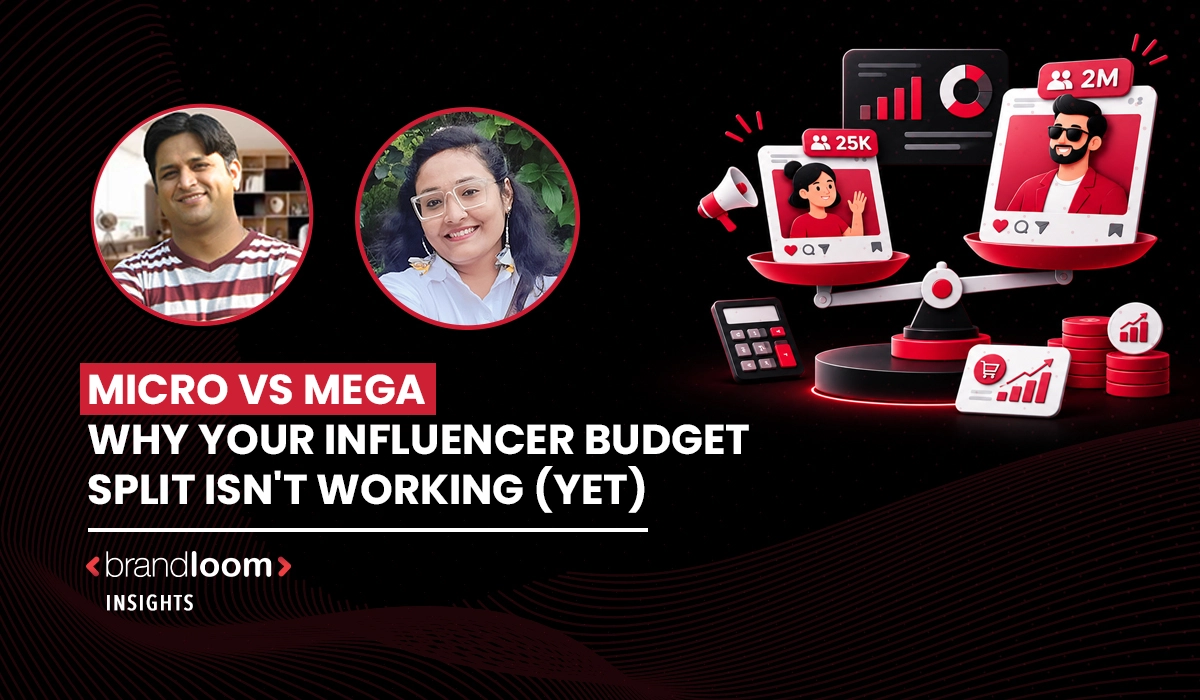
A creator with two million followers posts about your product. The video gets plenty of views, the comment box gets full, and your team shares the numbers in its campaign report. But a few weeks later, sales tell a less exciting story. Then a smaller creator publishes a product review and brings in enquiries from people who are genuinely interested.
Many brands have seen some version of this. They spend heavily on creators with large audiences because reach feels like a safe investment. But a big audience does not automatically translate into customers. If the people watching have little interest in the product, even an impressive campaign can struggle to deliver a return.
That is why the mega vs micro influencers debate deserves more attention when planning an influencer marketing budget. Both groups can help a brand grow, but they do different jobs. At BrandLoom, we look at creator partnerships in the context of wider marketing goals, including brand awareness, customer acquisition, and revenue.
Influencer Tiers: Understanding the Difference
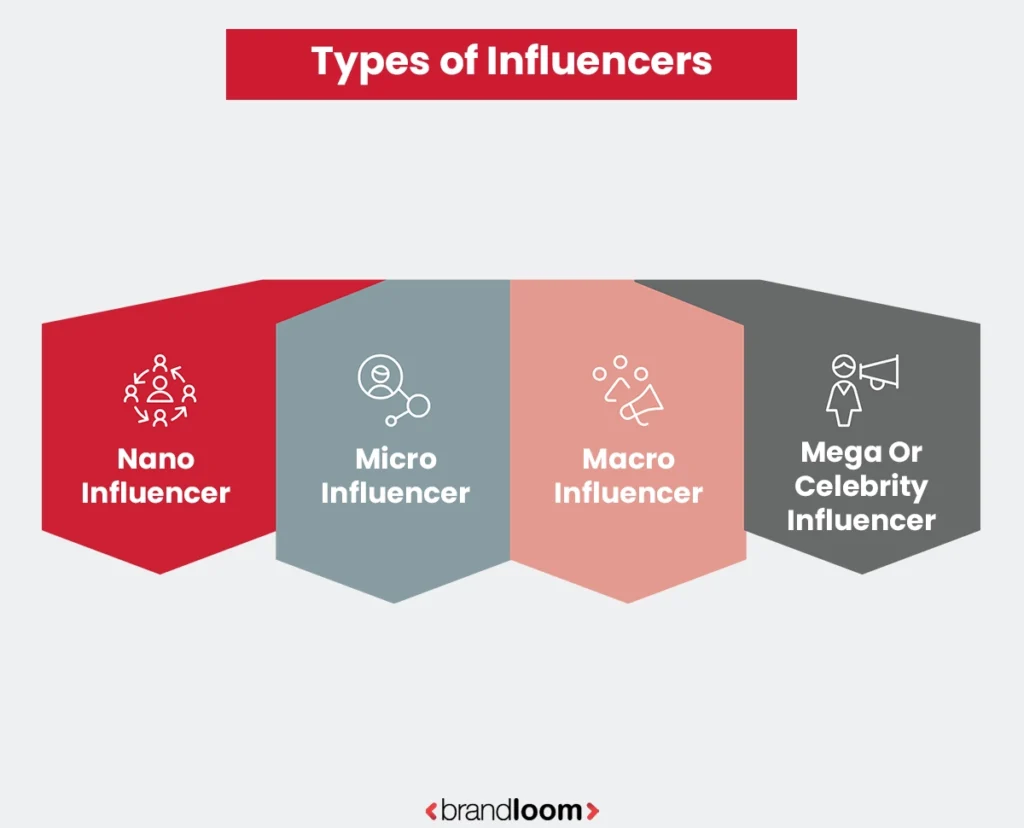
The first thing to understand is how the different creator tiers work. Follower counts offer a broad classification, but they don’t tell the whole story. A creator’s subject knowledge, audience relationship, and relevance to your customers matter just as much.
| Influencer tier | Typical follower count | Common campaign role |
| Nano | Under 10,000 | Community engagement, local recommendations and user-generated content |
| Micro | 10,000–100,000 | Niche audience engagement, product discovery and targeted campaigns |
| Macro | 250,000–1 million | Wider reach, lifestyle content and brand credibility |
| Mega/Celebrity | 1 million+ | Large-scale awareness, major launches and broad visibility |
Why Bigger Follower Counts Don’t Always Mean Better ROI
Reach tells you how many people may have seen a campaign. It doesn’t tell you how many considered the product, visited the website, or made a purchase.
Micro creators can perform well when their audiences share a clear interest in the products they discuss. Their followers may value their opinions because they regularly cover a particular subject. That relationship can make a relevant product recommendation more useful to the audience.
The campaign presentation supplied for this article reports the following comparisons:
| Performance metric | Micro influencers | Larger creators |
| Average engagement rate | 3.86% | 1.2% for mega influencers |
| Campaign conversion rate | 2.40% | 1.1% for mega influencers |
The figures point to a possible advantage for micro-influencer campaigns: they may generate stronger engagement and conversion performance at a lower cost. But the numbers don’t guarantee the same outcome for every brand. Product category, creator selection, audience demographics, campaign creative, and attribution methods all affect results.
BrandLoom evaluates micro influencer vs macro influencer ROI by looking at the role each creator plays in the customer journey. This helps marketing teams understand whether a partnership supports awareness, consideration, qualified traffic,c or sales.
How to Allocate Your Influencer Marketing Budget
Your influencer budget allocation should reflect your campaign’s purpose. A brand launching a new product may need wider exposure. On the other side, a business trying to acquire customers may get more value from creators whose audiences closely match its target market.
The following split offers a starting point for planning:
| Budget category | Suggested share | Main purpose |
| Ongoing micro and nano partnerships | 50–70% | Regular engagement, product discovery and targeted conversions |
| Macro partnerships | 20–30% | Wider reach, brand credibility and selected campaign moments |
| Experimental creator and UGC programs | 10–20% | Testing new creators, content formats and community-led campaigns |
Mega influencers are not included as a separate budget category. That is mostly because they often require a larger investment for broad audience exposure. Therefore, for brands working with limited budgets or prioritizing customer acquisition, micro and macro partnerships can really be helpful. Whereas, mega creators can still be considered for major product launches or campaigns where broad brand awareness is the primary goal.
Nano creators can appear in both ongoing partnerships as well as experimental programs, so brands should define the purpose of each expense before assigning a percentage. Otherwise, the same creator activity could end up in two budget categories.
Now, imagine a brand that is running a campaign budget of ₹50,000. It could allocate ₹30,000 to ongoing micro and nano partnerships, ₹12,500 to macro campaigns, and ₹7,500 to experimental creator or UGC programs.
This 12:5:3 split follows the suggested ranges, but it isn’t a formula every business should copy. The final allocation should reflect the campaign objective and the results of previous activity.
You also need to decide how much of the creator budget goes towards production and promotion. The supplied presentation recommends an 8:2 split:
- 80% for creator fees and content production: Cover the partnerships, agreed deliverables, and content the campaign needs.
- 20% for paid promotion: Put additional media spend behind creator content that performs well.
This gives successful content a chance to reach more people. Brands can also reuse creator assets across paid social, landing pages, product pages, and email campaigns, provided their agreements include the necessary usage rights.
How to Choose Influencers for Marketing
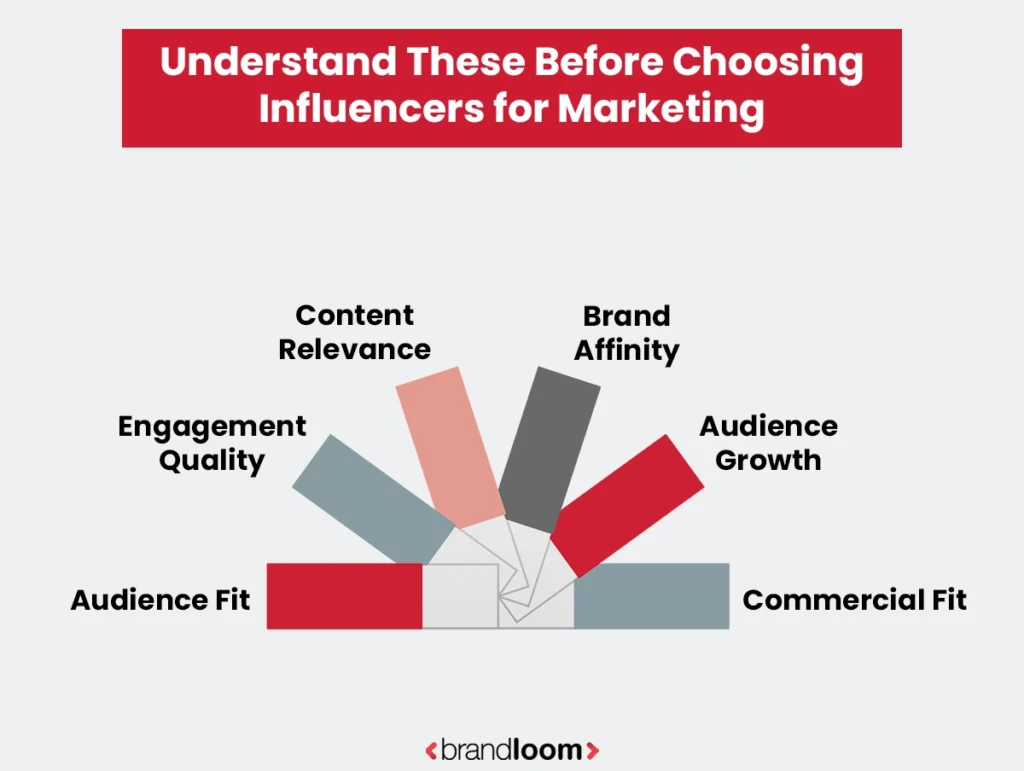
A large following may look attractive in a campaign proposal, but it tells you little about whether a creator can reach your customers. Before agreeing to a partnership, check who follows the creator, what they usually post,t and how people respond to their content.
Pay attention to these six areas:
- Audience fit: Check the creator’s audience location, age groups,s and interests. These should match the people your brand wants to reach.
- Engagement quality: Read comments on recent posts. Genuine questions, personal experiences, and product discussions offer more insight than likes or generic comments.
- Content relevance: Observe the subjects or topics the influencer generally creates videos for before choosing an influencer. Their content should have a natural connection to your product or industry. A promotional post that feels unrelated to their usual work may struggle to interest followers.
- Brand affinity: Review their earlier brand partnerships as well as public opinions. Therefore, choose someone whose interests and communication style fit your brand.
- Audience growth: Checking follower growth over the past 60–90 days is a must. Sudden increases deserve a closer look, particularly when no popular post or other clear reason explains them.
- Commercial fit: Discuss fees, content requirements, deadlines, exclusivity,y and usage rights before confirming the partnership.
We can use the following formula to assess creator authenticity:
Authenticity = (Relatability + Engagement + Niche Expertise) × Affinity
The formula gives the marketing team a useful way to discuss creator suitability. It places particular importance on affinity: a creator may have strong engagement and good subject knowledge, but the partnership still needs to make sense to their audience.
This matters even more when a micro influencer marketing strategy involves several creators. Managing multiple partnerships takes time. Your team needs to prepare briefs, review content, coordinate approvals,s and track each campaign’s results. Begin with a group your team can manage properly. Add more creators when the process and results justify the extra work.
Disclosure and Compliance in Influencer Campaigns
According to the guidelines provided by the Advertising Standards Council of India (ASCI), brands as well as the influencers must clearly disclose paid partnerships, gifts, free products, along with other benefits received in exchange for promoting a product or service.
These disclosures must be cristal clear and easy to understand. In these cases, clear labels such as #Ad, #Sponsored, #Collaboration, or #Partnership must be mentioned. The disclosure should also appear in the content itself, including images, videos, and live streams.
Before a campaign goes live, brands should agree on disclosure labels, review promotional claims, and make sure every creator follows the applicable guidelines.
How to Measure Influencer Marketing ROI
Views and likes can tell you whether people interacted with a campaign. They cannot show whether the campaign helped the business meet its goals. Choose influencer marketing performance metrics that match the result you want.
| Metric | Calculation | What it measures |
| Cost per Engagement (CPE) | Campaign cost ÷ Total engagements | Average cost of each interaction |
| Cost per Acquisition (CPA) | Campaign cost ÷ Total conversions | Cost of acquiring a customer or lead |
| Return on Investment (ROI) | [(Revenue − Campaign cost) ÷ Campaign cost] × 100 | Financial return against campaign spend |
Customer lifetime value (LTV) can add useful context when reliable data is available. A campaign may attract customers who purchase repeatedly. If you measure only their first transaction, you may underestimate the value of that partnership.
Use unique tracking links, campaign codes and suitable analytics tools to connect creator activity with website visits, enquiries and purchases. Agree on attribution rules before the campaign starts. Otherwise, different channels may all claim credit for the same conversion.
Also decide what counts as a conversion. A product purchase, a qualified lead and a newsletter sign-up have different commercial values. Your reporting should reflect those differences instead of grouping every action under one headline figure.
BrandLoom connects creator campaign measurement with wider digital performance. This helps businesses understand how influencer partnerships contribute to their marketing goals and where they may need to adjust their investment.
How Brands Can Build a More Effective Influencer Strategy
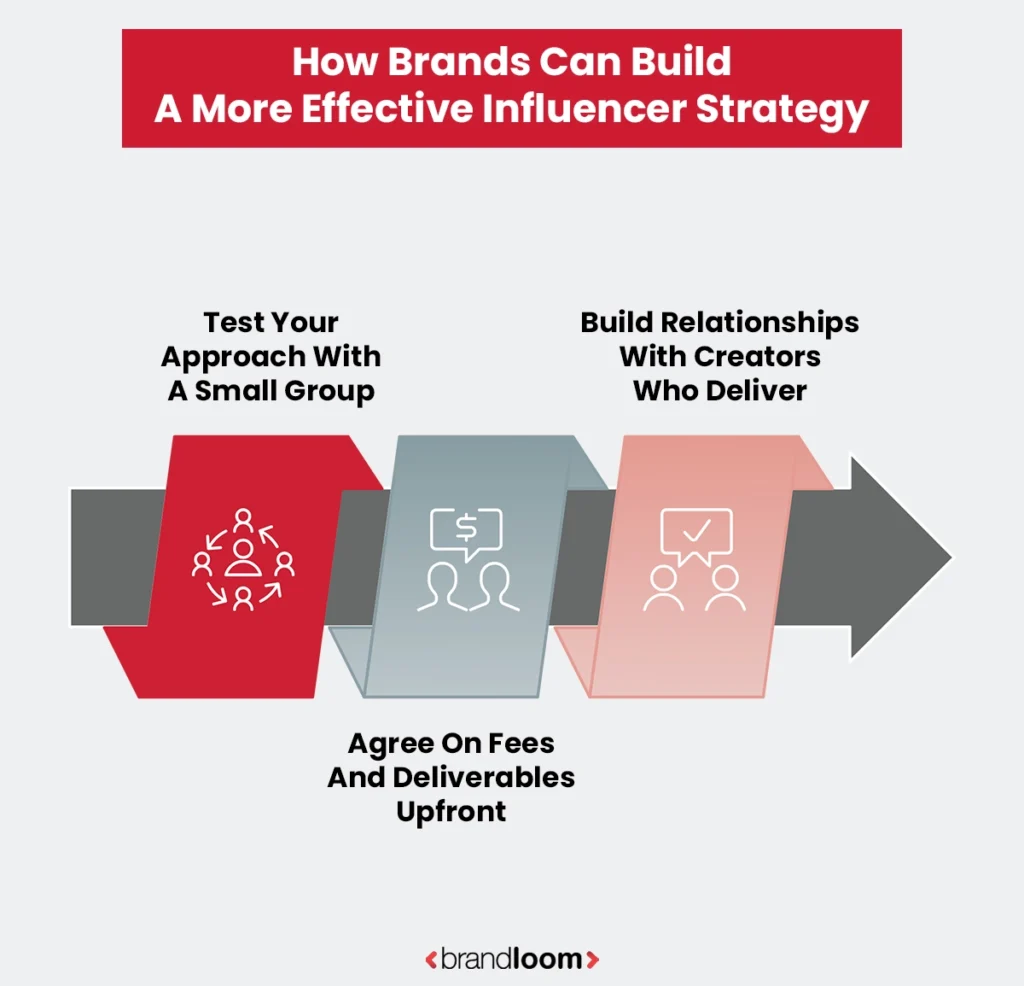
A successful influencer campaign needs a clear plan before the brand approaches its first creator. Decide what you want the campaign to achieve, identify the audience you need to reach, and choose creators who can help you reach them. A small, well-planned campaign will also show where your budget works best.
1. Test your approach with a small group
You should begin with a small number of creators across relevant niches. Provide each of them with a clear brief, and agree on the content format. Along with that, setting a specific campaign goal can really be helpful. Keep tracking the response to each collaboration, including engagement, referral traffic, as well as conversions where relevant. Use those initial results to decide which creators and content formats deserve a larger investment.
2. Agree on fees and deliverables upfront
Before signing up any contracts, there are a few things you need to keep in mind:
- Discuss the creator’s fee, content requirements, as well as the payment schedule as clearly as possible.
- For sales campaigns, you can also add a commission or performance bonus to the agreed fee.
- Mention the tracking method and payment conditions as transparently as possible so neither side has any confusion.
3. Build relationships with creators who deliver
When a creator brings the right audience and produces good content, consider working with them again. Repeat collaborations give them a better understanding of your products and help their followers become familiar with your brand. Agree on content usage rights in advance, including whether your team can use the creator’s posts in paid ads, on product pages,s or across other marketing channels.
BrandLoom helps businesses plan these partnerships around their marketing objectives and assess their contribution through campaign data. With a defined influencer budget allocation framework, your team can see where the money goes, compare creator performance, and decide which partnerships merit further investment.
A BrandLoom Micro-Influencer Case Study
For Diya Sharma Makeup & Hair Studio, BrandLoom connected with micro-influencers to reach audiences who are specifically interested in bridal and occasion makeup. Instead of relying on broad promotions, our team planned a campaign that used relatable creators as well as real makeup transformations to build credibility.
This particular campaign generated 30,000+ views and reached 20,000+ accounts as well. It also received over 900 interactions; this represents an engagement rate of approximately 4.5% based on accounts reached. Also, 80% of the reach came from non-followers, helping the studio connect with audiences beyond its existing community. Therefore, this campaign showed how focused creator partnerships can introduce a brand to new audiences while building trust organically.
Conclusion
The influencer with the most numbers of followers doesn’t always bring the best return. Rather, a smaller creator may attract more relevant customers. Therefore, the value of either partnership depends on what the brand wants to achieve and how well the creator reaches the intended audience.
Give each creator tier a defined role. Set a budget your team can track, agree on the measures that matter,r and review the results before increasing spend. If a partnership brings attention but no meaningful customer action, look at the audience, the offer and the content before repeating the campaign.
BrandLoom helps businesses connect creator partnerships with brand strategy, digital performance and measurable growth. The aim is to make influencer investment easier to assess and more closely tied to the results the business needs.
Frequently Asked Questions
Micro influencers usually have 10,000–100,000 followers and create content around specific interests or communities. Whereas mega influencers have more than one million followers and reach a much larger audience. Brands mostly work with micro creators to reach particular customer groups. On the other hand, mega creators can help you promote products to a wider market.
Micro influencers can be a better choice if your brand wants to reach a specific audience without spending a lot on a single partnership. On the other hand, mega influencers make more sense when a campaign needs broad exposure. Before choosing an influencer, compare creator fees, audience relevance, as well as campaign results. The better option depends on what you want the campaign to achieve.
Brands that are planning influencer marketing for the first time should start by assigning 50–70% of their budget to ongoing micro and nano partnerships. They can spend 20–30% on macro creators, and 10–20% on experimental creator or UGC campaigns. These ranges need adjustment to fit the total budget. BrandLoom recommends defining each category clearly and reviewing campaign results before changing the allocation.
Micro and nano influencers can deliver strong ROI when their followers match the brand’s target customers. Their content can bring relevant visitors and potential buyers to a business. However, creator fees, product margins,s and conversion rates also affect returns. Track the revenue and acquisition cost of each partnership to identify which creators bring the most value.
Start by deciding what the campaign needs to achieve. Choose creators whose audiences match your target customers, agree on the content and deliverables, and set clear performance measures. Test a small group before expanding the campaign. BrandLoom recommends securing content usage rights along with reviewing results regularly. That way, your team will be able to make informed decisions about future partnerships.
First, you need to choose metrics that match the campaign goal. Keep tracking reach as well as engagement when you want to build awareness. Measure referral traffic and qualified leads when you want to generate interest. For sales campaigns, track conversions, cost per acquisition, and ROI. Unique tracking links and campaign codes can help track most creator activity with website actions and purchases.
The budget depends on the campaign objective, number of creators, content requirements, and creator fees. A brand testing influencer marketing can begin with a small pilot involving three to five creators. Review the cost and results before increasing spend. This gives the team a clearer basis for setting the budget for future campaigns.
Micro influencers mainly focus on specific subjects that matter to a specific group of followers. In most cases, their audience follows them for product reviews, product-related advice, as well as recommendations within that particular category. This shared interest can lead to more relevant comments and interactions. However, follower count alone cannot predict engagement. Brands should review recent posts and audience responses before selecting a creator.
Generally we can divide the influencers into four categories based on their follower count: nano, micro, macro, and mega. Nano creators have fewer than 10,000 followers, micro creators have 10,000–100,000, macro creators have 100,000–1 million, and mega influencers have more than 1 million followers. These ranges provide a general classification for brands planning creator partnerships.
Before choosing the right influencer for your brand, start by checking whether a creator’s audience matches your target customers. Review their recent content, engagement quality, audience growth, and previous brand partnerships. Discuss fees, deliverables, and content usage rights before signing an agreement. BrandLoom recommends running a small campaign with shortlisted creators and using the results to decide which partnerships to continue.