Stop Treating Influencer Marketing Like a Vibes Budget.
Influencer marketing ROI is, genuinely, one of the most misunderstood metrics in digital marketing today. Brands spend real budget on creator partnerships and then evaluate success by scrolling through comments and estimating “vibe.” That’s not measurement. That’s hope dressed up as strategy.
The global influencer marketing industry is projected to reach $24 billion by the end of 2025, according to Influencer Marketing Hub. That kind of money doesn’t flow into something for years unless it works. But “working” looks very different depending on how you measure it. And most brands are still measuring it wrong.
ROI from influencer campaigns is measurable. It’s trackable in real time. And when you build your campaigns around the right partners, proper attribution, and full-funnel thinking, it competes directly with your best-performing paid channels.
That’s what this blog covers, how to actually measure and maximize influencer marketing ROI, from creator selection to conversion tracking. At BrandLoom, we work with brands across D2C, eCommerce, and consumer categories to do exactly this through our influencer marketing services. Here’s the framework we’ve seen work consistently.
What “influencer marketing ROI” Actually Means?
ROI = (Revenue Generated – Campaign Cost) / Campaign Cost × 100
The hard part is not the math; it’s agreeing on what counts as “revenue generated” and staying disciplined about tracking it properly before the campaign goes live.
Most teams don’t do that. They set up a campaign, brief the creator, approve the content, and then scramble after the fact to figure out whether it worked. By that point, you’re already guessing.
Nielsen found that 92% of consumers trust recommendations from individuals over those from brands, even from strangers. That’s the foundational reason influencer marketing works at all.
People trust only people they trust, and an influencer who has spent years building credibility in a specific niche carries that trust with them. Your brand borrows it, but only temporarily, and only if the fit is right.
The measurement gap is real, though. Which means the majority are spending real money and genuinely not knowing what they got for it. That’s a fixable problem, and we’ll cover exactly how to fix it.
What is an Influencer Marketing Strategy?
Before diving into the strategies and tactics of influencer marketing, it’s important to understand the impact and potential of this marketing approach. Here are some key statistics that highlight the significance of influencer marketing:
- According to Influencer Marketing Hub, the global influencer marketing industry is valued at $24 billion in 2025, up from just $1.7 billion in 2016, making it one of the fastest-growing channels in digital marketing.
- A study by Tomoson found that influencer marketing campaigns generate $6.50 for every dollar spent, with the top 13% of brands earning $20 or more per dollar invested.
- According to Nielsen, 92% of consumers trust recommendations from individuals over branded content, even when those individuals are strangers, making influencer marketing one of the most trust-efficient channels available.
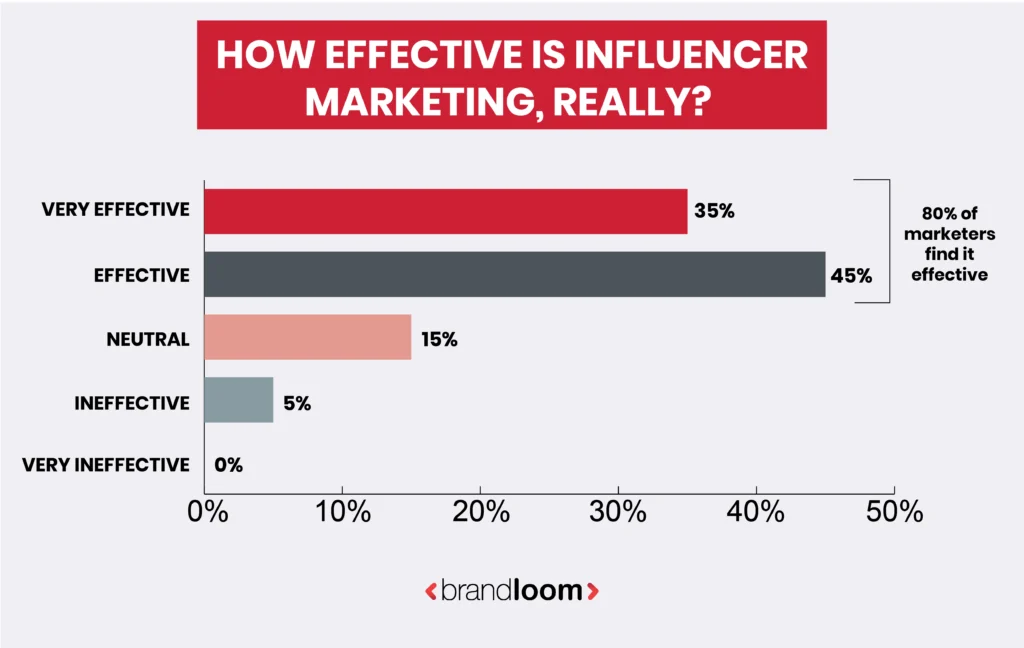
- A survey by Mediakix found that 80% of marketers consider influencer marketing effective, and brands across categories continue to increase their allocation to it year over year.
- Research by Markerly shows that micro-influencers generate engagement rates of around 8%, compared to just 1.7% for mega-influencers with 1–10 million followers. Audience quality consistently outperforms audience size.
- Per Linqia’s State of Influencer Marketing report, 39% of marketers plan to increase their influencer marketing budget in the coming year, reflecting growing confidence in the channel’s measurable returns.
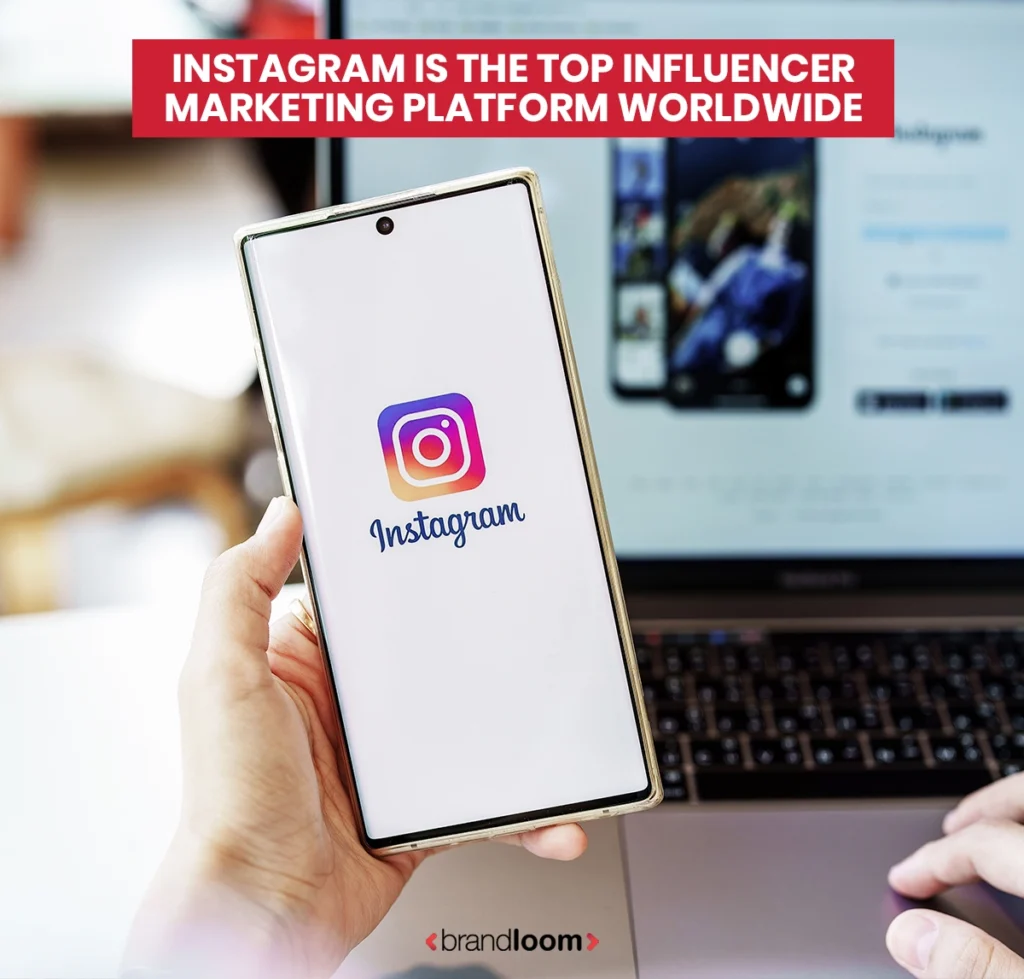
- Instagram is the most popular platform for influencer marketing, with 89% of marketers citing it as their primary channel, followed by TikTok and YouTube for video-first campaigns.
These statistics demonstrate the growing importance of influencer marketing as a powerful strategy for brands to connect with their target audience and drive tangible results.
How Effective Is Influencer Marketing, Really?
Let’s get straight to what the data actually says, because the results, when campaigns are run with any real rigor, are genuinely strong.
Influencer Marketing Hub’s 2024 benchmark report found that businesses earn an average of $5.78 for every $1 spent on influencer marketing. That puts it ahead of most paid channels on pure return. And at the top end of the spectrum, brands with strong creative, the right partners, and solid attribution, returns exceed $20 per dollar invested.
Influencer content earns that trust faster than almost any other format because it comes attached to a person the audience already follows, respects, and has chosen to let into their feed. That’s not a small thing. Traditional advertising has been fighting for that same trust for years and has largely lost.
The India story is particularly compelling. Indian brands across beauty, D2C, and lifestyle have produced some of the clearest before-and-after ROI evidence for influencer marketing worldwide. Here’s what the numbers actually looked like.
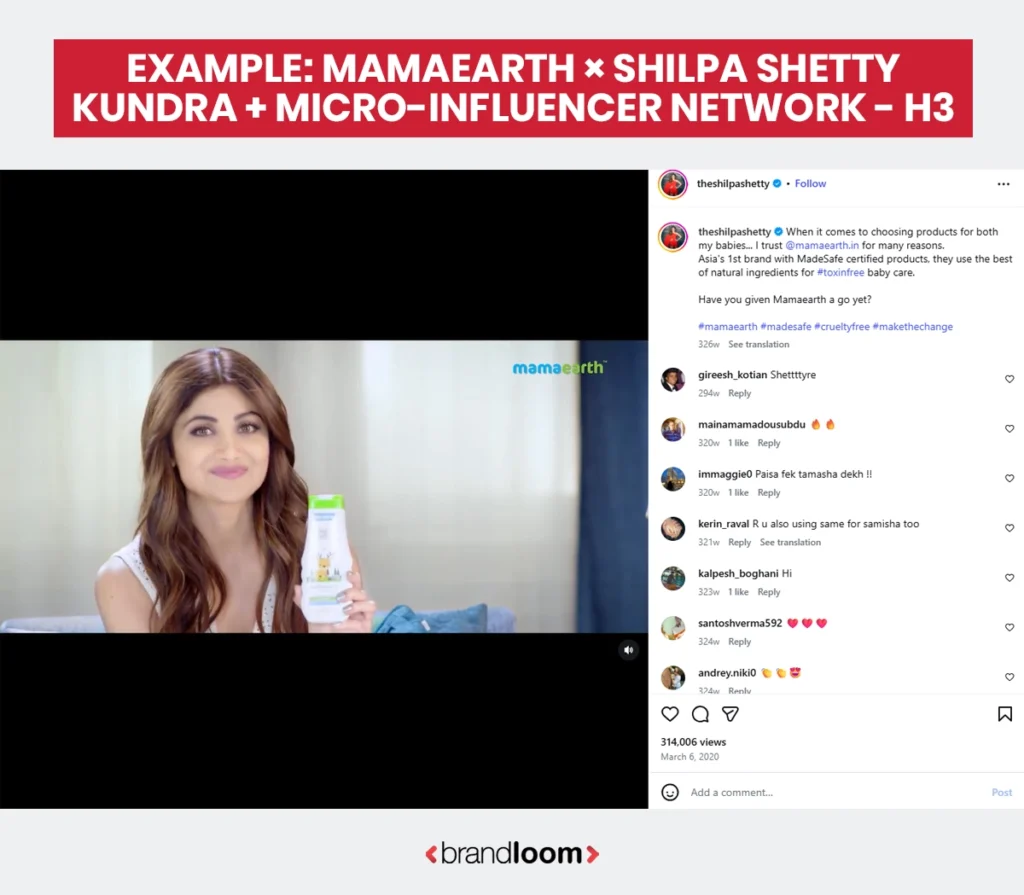
Example: Mamaearth × Shilpa Shetty Kundra + Micro-Influencer Network
Brand: Mamaearth (natural skincare & personal care)
Partners: Bollywood celebrity Shilpa Shetty Kundra for mass reach + a large network of nano and micro skincare/parenting creators on Instagram and YouTube
What they did: Instead of going all-in on one expensive celebrity deal, Mamaearth ran a two-layer strategy. Shilpa Shetty anchored the brand’s credibility and visibility in Tier 1 cities. Simultaneously, hundreds of micro-influencers, moms, skincare enthusiasts, parenting bloggers, created honest product reviews and tutorials that spoke to niche, highly relevant audiences across Tier 2 and Tier 3 cities.
Before: When Mamaearth launched in 2016, it was a small D2C startup with a handful of baby care SKUs and no offline retail presence.
After: Revenue grew 400% in FY21 alone. By FY23, the brand crossed ₹1,000 crore in sales. The “Goodness Inside” campaign, which leaned heavily on creator-driven content, drove a 3x jump in Instagram and YouTube engagement and a 60% rise in website traffic. Mamaearth became a unicorn in 2022, and influencer marketing was the engine that got it there without burning through a traditional advertising budget.
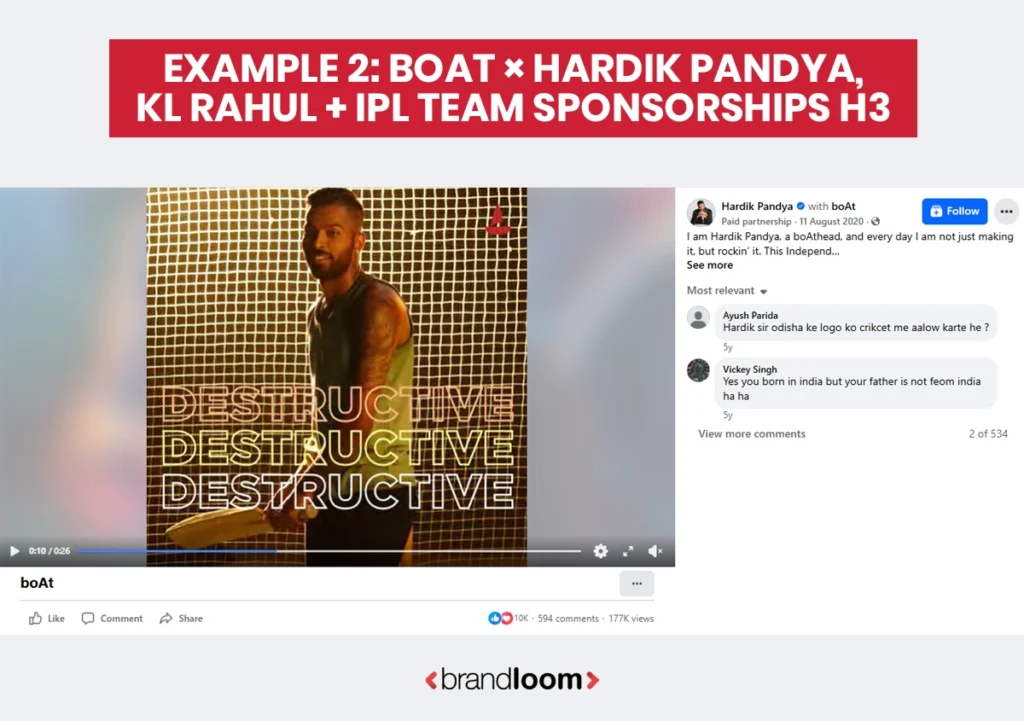
Example 2: boAt × Hardik Pandya, KL Rahul + IPL Team Sponsorships
Brand: boAt (audio, wearables, and accessories)
Partners: Cricketers Hardik Pandya, KL Rahul, Shreyas Iyer, Shikhar Dhawan as brand ambassadors + Bollywood actors Kiara Advani and Kartik Aaryan + 6 IPL team partnerships + fitness, music, and lifestyle micro-creators
What they did: boAt didn’t just sign one face; they built a cultural ecosystem. Cricketers wore boAt gear in IPL stadiums and posted it on their personal Instagram accounts to tens of millions of followers. Bollywood ambassadors tied the brand to everyday lifestyle moments. And micro-creators in music, fitness, and gaming brought it into the world that their audiences actually lived in.
Before: boAt launched in 2016 as a bootstrapped startup selling charging cables and basic earphones. Revenue was minimal, and brand recognition was near zero outside Delhi NCR.
After: Revenue soared to ₹2,886 crore in FY22, with a profit of ₹79 crore. By FY23, revenue crossed ₹3,000 crore. The brand’s celebrity-led campaigns drove a 60% increase in brand recall in Tier 1 and Tier 2 cities, per internal data cited in Digital Course AI’s case study. boAt became the #1 wearable and hearable brand in India by market share, according to IDC India Q1 2025 data.
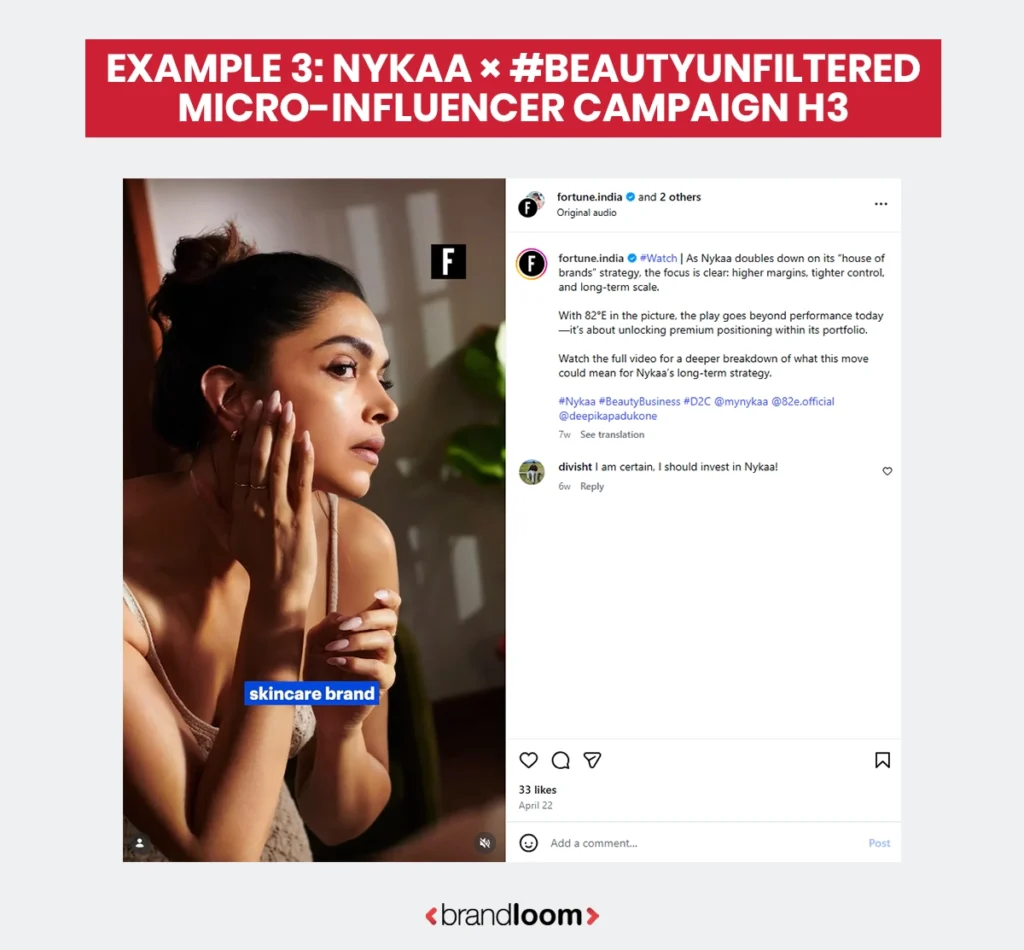
Example 3: Nykaa × #BeautyUnfiltered Micro-Influencer Campaign
Brand: Nykaa (beauty and personal care e-commerce).
Partners: Macro celebrities, including Katrina Kaif, Alia Bhatt, and Janhvi Kapoor, for brand-level campaigns, plus thousands of micro and nano beauty influencers for product-level campaigns.
What they did: For the #BeautyUnfiltered campaign, Nykaa stepped away from polished celebrity content and gave micro-influencers the brief to share raw, real skincare stories, no filters, no professional lighting. The content felt like a recommendation from a friend, not an ad. For broader brand campaigns, celebrity partnerships with Alia Bhatt and Katrina Kaif signaled premium credibility and helped reach massive audiences.
Before: Nykaa launched in 2012, competing against Amazon and Flipkart in a market already dominated by those giants.
After: The #BeautyUnfiltered campaign alone drove a 35% spike in website traffic and a 20% surge in sales within the first month of launch. Over time, Nykaa scaled to a total revenue of ₹6,386 crore, and influencer-led content consistently ranked among the highest-performing drivers of traffic and conversions on the platform. It went public in 2021 at a valuation of over ₹1 lakh crore.
The pattern across these Indian brand examples reinforces the point that the wins didn’t come from the biggest names. They came from the right fit, sustained over time, with clear commercial intent built in from the start.
Picking the Right Influencer Partnerships & Why it Matters
This is where campaigns live or die. And it’s also where brands waste the most time chasing the wrong signals.

1. Follower Count Is a Lagging Indicator
Follower count tells you how big someone has gotten. It doesn’t tell you whether their audience trusts them, is engaged with them, or overlaps with your customers.
A fitness influencer with 75,000 followers who has built a genuinely loyal community of women 30–45 interested in functional nutrition is, for most supplement or wellness brands, worth ten times as much as a celebrity with 3 million passive followers who posts everything from fast food to luxury cars.
First, define your customers and then select creators who align well with your business. Next, make sure that the creator’s audience matches yours by using the platform analytics, which are available on almost all platforms.
2. Engagement Rate Is the Real Signal
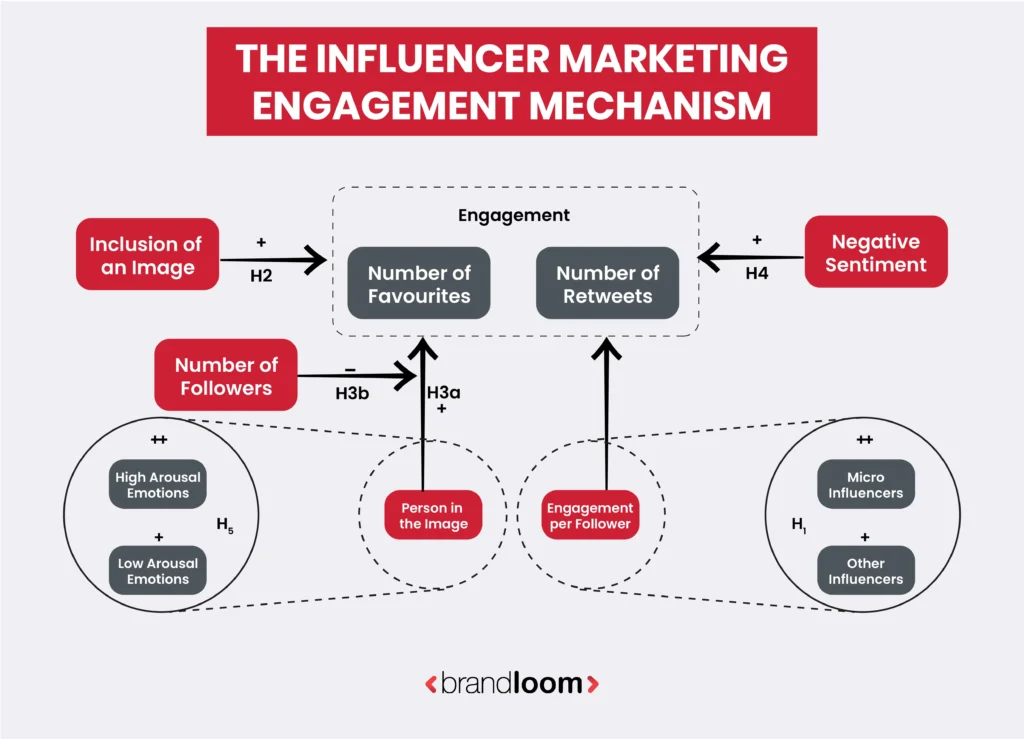
If you’re only looking at one number, make it an engagement rate. Not like in isolation. The ratio of active response to total followers.
The micro-influencers, whose followings range from 10k to 100k, usually receive engagement rates of 3% to 7%. For those having over 100k, their engagement rate will be much lower. Statistics from Social Bakers show that nano-influencer and micro-influencer marketing are significantly more successful than macro-influencer marketing in engagement by 2-3 times. When an influencer has 90k followers and an engagement rate of 5.5%, they have a real community. It matters less how many followers they have compared to how many sales you get.
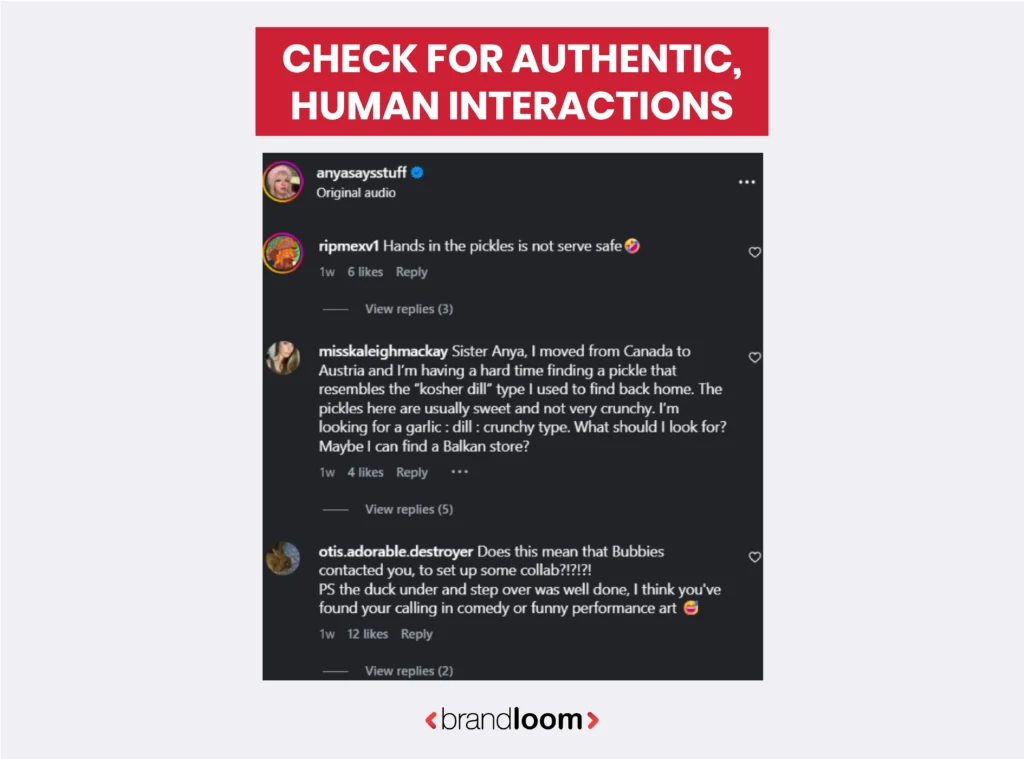
One thing worth checking: the quality of comments, not just the volume. Lots of signs and single-emoji responses can inflate engagement numbers without indicating real intent. Look for comment threads. Questions about the product. Replies from the creator. That’s a live community.
3. Spend 20 Minutes on Their Feed Before You Email Them
This sounds obvious. A lot of teams skip it anyway.
Go back three or four months. Read the captions. Watch a few videos. Is this a person whose voice you’d want associated with your brand? Have they promoted five competitors in the last 90 days? Do sponsored posts get buried with negative comments?
According to Influencer Intelligence, 77% of marketers consider brand safety a crucial factor when choosing the right influencers. This worry is justified, since a single controversial post from one of their partners can ruin all the efforts spent building the brand.
4. The Best Fits Are Usually Already Fans
The single best indicator of a successful partnership is an influencer who already uses or talks about your category, ideally your brand specifically. That’s not always easy to find, but it’s worth searching for before you go cold on outreach.
But the purchase intent was almost always tied to how authentic the recommendation felt. Forced sponsorships get sniffed out fast, and they damage both parties.
What are Some Popular amplification methods?
1. Boosting
Take an influencer’s already-published organic post and put paid budget behind it. The simplest, fastest way to amplify reach beyond their follower base.
Best for: High-performing organic posts · Quick wins · Low setup cost
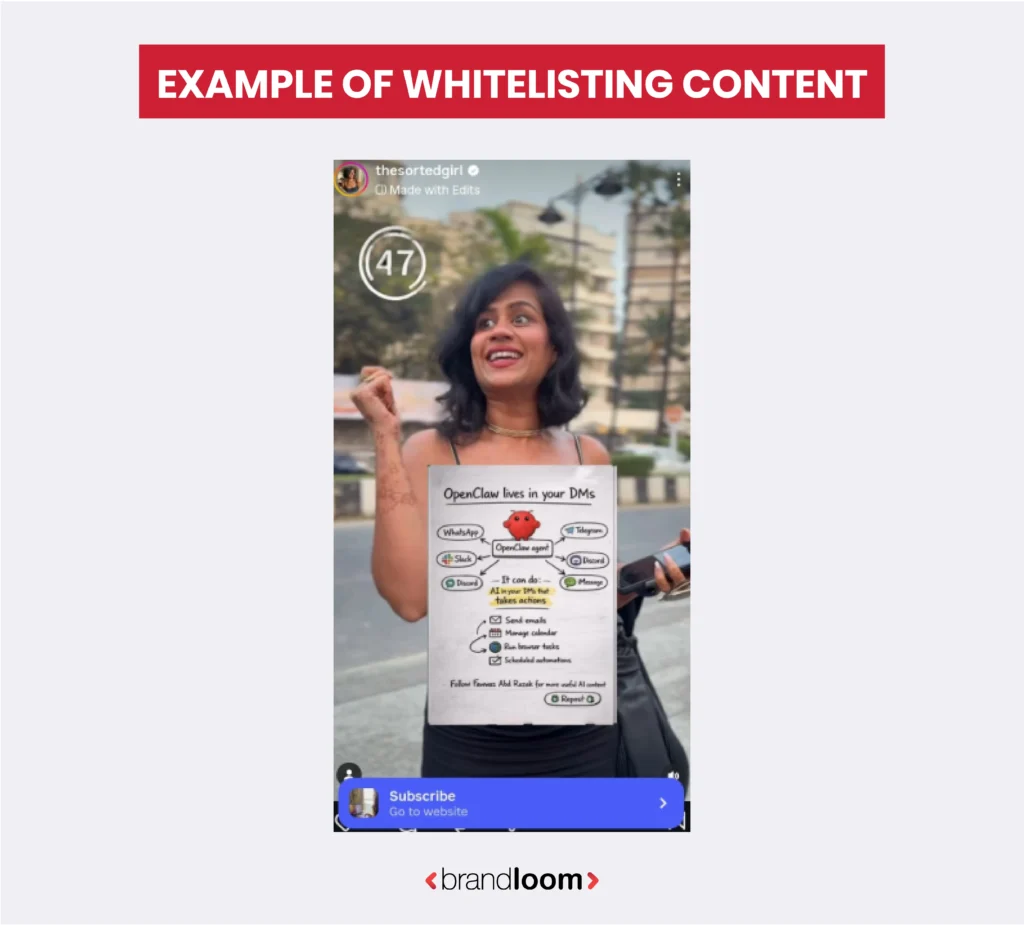
2. Whitelisting
Get creator permission to run paid campaigns directly from their account handle. You target audiences far beyond their organic followers — with the trust signal of their identity attached.
Best for: Audience expansion · Lookalike targeting · Higher ROAS
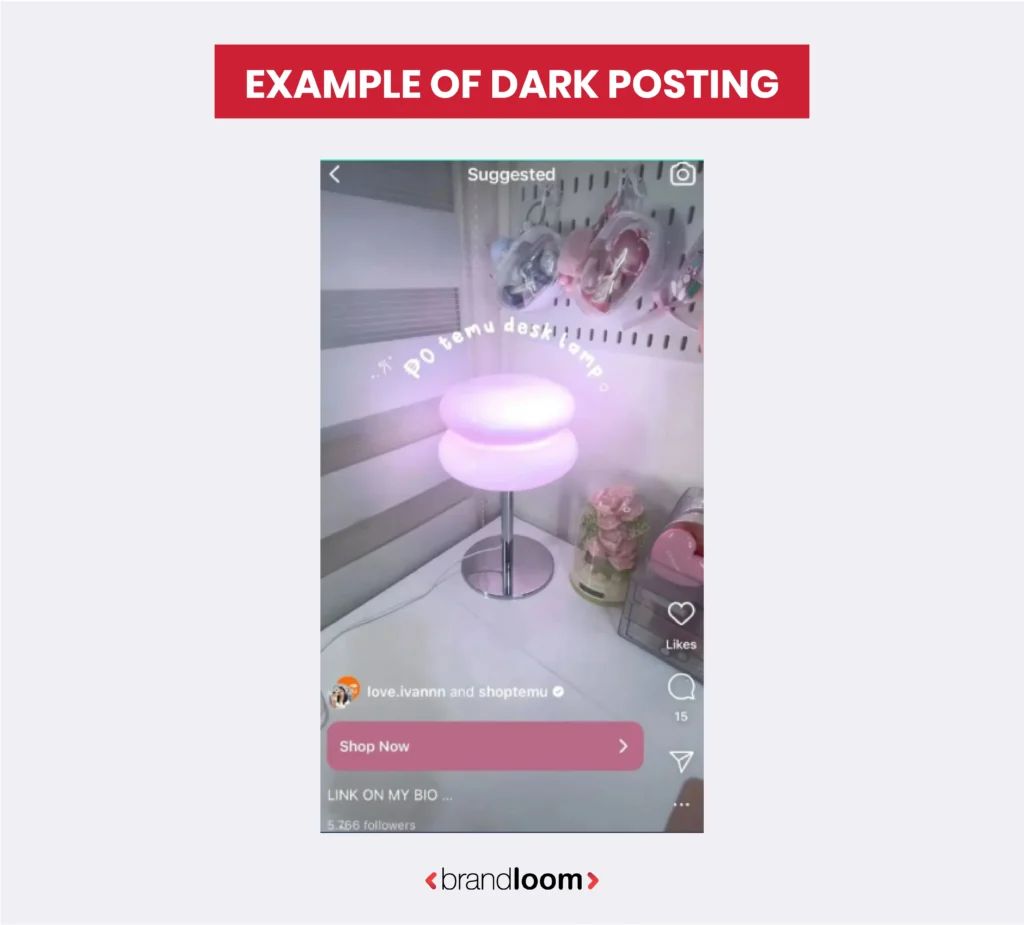
3. Dark posting
Created in partnership with an influencer but promoted as an ad without appearing on their organic feed. Full brand control over messaging, CTA, and targeting — with the trust signal of an influencer identity.
Best for: Performance campaigns · A/B testing creative · Retargeting
How Does Building Tracking Actually Work
Attribution is the part most teams half-do and then wonder why the numbers don’t make sense.
Here’s what a proper tracking setup looks like before a campaign goes live.
Every creator gets a unique UTM-tagged link. Every creator gets a unique discount code. Even if you’re not running a promotional offer, the code doubles as a tracking mechanism. If you’re running video content on platforms where links aren’t clickable, vanity URLs that redirect to tagged landing pages work well.
Here’s a quick example of how this plays out. Influencer drives 300 clicks and 45 purchases at a $60 AOV. You know that in real time, and you can decide mid-campaign whether to extend the partnership, offer a commission extension, or reallocate budget to a better-performing creator.
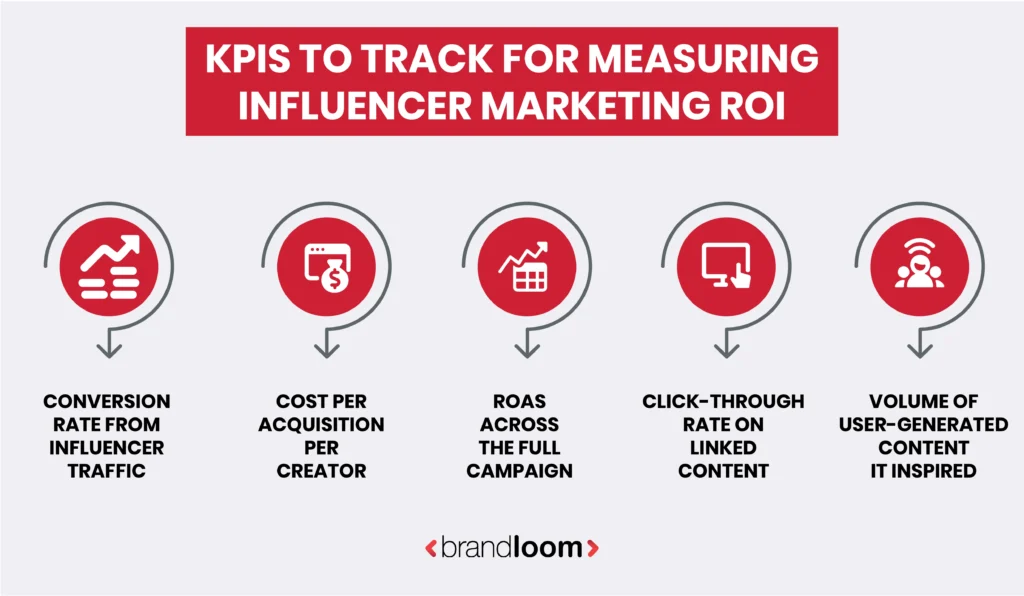
The KPIs worth setting before launch:
- Conversion rate from influencer traffic (benchmark against your site’s average)
- Cost per acquisition per creator
- ROAS across the full campaign
- Click-through rate on linked content
- Volume of user-generated content inspired by the campaign
The spread between average and top performance is massive, and tracking is the only thing that lets you identify what’s driving it and do more of it.
What is the Full Funnel Picture?
Influencer marketing gets pigeonholed as a top-of-funnel play. It isn’t, if you use it right.
- Discovery (Top of Funnel). A creator who resonates with their audience introduces your brand to people who’ve never encountered you. This is social proof marketing at its most efficient. The goal here isn’t conversion; it’s a credible introduction.
- Consideration (Mid Funnel). This is where long-form content earns its value. An honest 8-minute review. A tutorial that shows the product solving a real problem. A comparison that addresses the obvious objections. Mid-funnel content creation is what moves someone from “I’ve seen this” to “I might actually want this.”
- Conversion (Bottom of Funnel). Discount codes. Time-limited offers. “Link in bio” with a clean landing page. This is where the campaign successfully translates into revenue. It’s also where most brands under-invest, focusing all their energy on the top-of-funnel awareness post and leaving conversion mechanics as an afterthought.
Map your partners to stages intentionally. Use influence to create a coherent path, not a series of unconnected touchpoints.
Micro Influencers vs. Big Names: Stop Making This Harder Than It Is!
The data is pretty clear on this for most brands. Influencer marketing strategy shows micro influencers generate up to 60% more engagement than macro influencers, and campaigns built around them show a 22.2x higher conversion rate versus standard display advertising.
- When we discuss influencer promotion, a specific product to a particular target demographic, working with 20 to 40 micro influencer marketing who talk directly to your audience will almost certainly be better than signing up just one celebrity partner. The influence is more focused, the audience trusts the influencer, and the risk is spread out.
- This doesn’t mean that big names are useless. If you’re launching something and need cultural momentum or trying to signal to investors and retail buyers, a high-profile partnership conveys credibility on a different level. But “maximize ROI and drive sales” is a different brief than “make a splash.” Know which one you’re solving for.
Why Long-Term Partnerships Pay Off More Than One-Off Posts
Treating influencer marketing as a series of one-off transactions is one of the most common and most expensive mistakes influencer marketing for brands makes.
Think about it from the audience’s perspective. The first time they see a creator mention your brand, it registers faintly. The second time, they remember seeing it before. The third time, they start to associate this creator with this brand. By the fifth or sixth mention over 8 months, the product feels like a genuine part of the creator’s life, because it is.
- Influencer Marketing Hub found 56% of brands now prioritize repeat partnerships over new ones, citing better performance and substantially lower management costs as the main reasons.
- Building long-term relationships means you also get better content. Creators who have used your product for months know it better than your own marketing team in some cases. That knowledge shows in the content.
- The user-generated content flywheel is real, too. Stackla research shows 79% of people say UGC significantly affects their purchasing decisions.
Long-term partnerships generate a sustained stream of authentic UGC, from creators and their audiences who buy and post their own experiences. That’s content compounding without additional spend.
Red Flags and Pitfalls to Watch Before You Sign Anyone
This is the part most brands skip until they’ve already wasted their budget. Before any campaign goes live, run through this list. If even two or three of these show up in a creator’s profile, walk away.
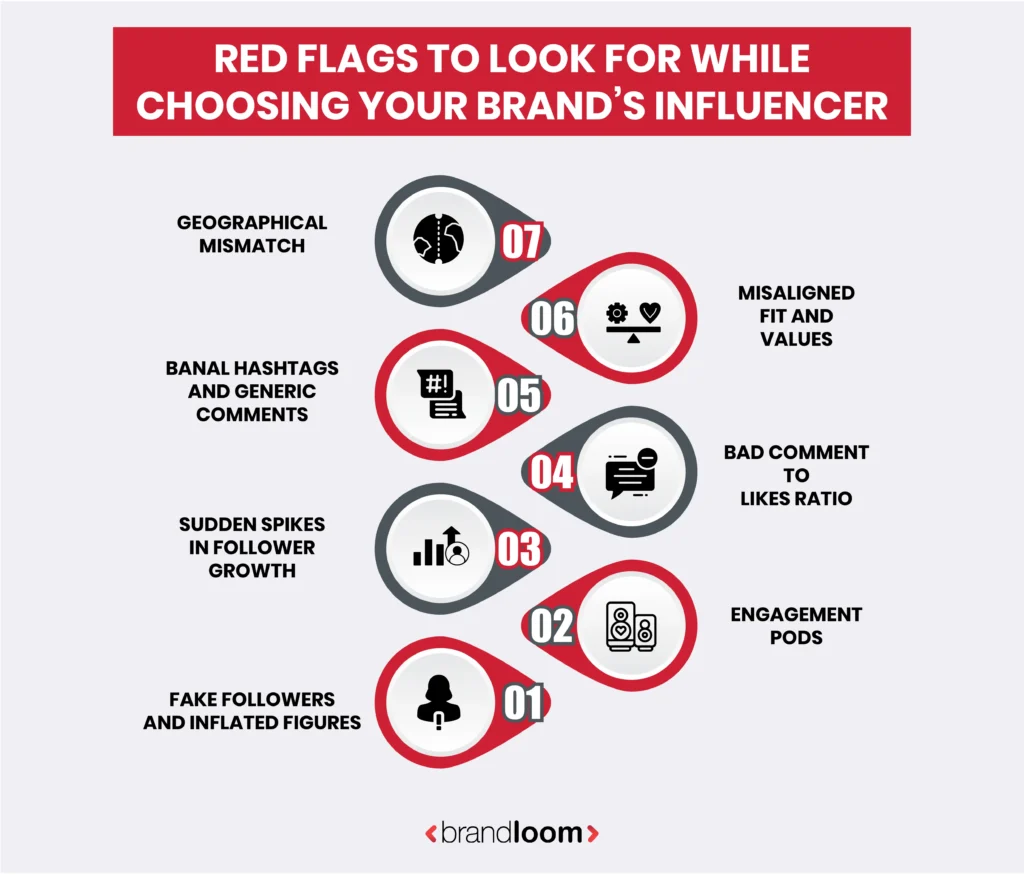
Fake followers and inflated figures.
A follower count that looks impressive on paper can be meaningless if a chunk of it is bots. Look for engagement that matches the audience size. Roughly 30% of influencers are suspected of having some level of fake followers; it’s more common than the industry likes to admit. Tools like HypeAuditor or Modash can flag suspicious account activity before you commit.
Engagement pods.
These are groups where influencers agree to like and comment on each other’s posts to artificially inflate engagement numbers. The comments tend to look a specific way: generic praise, single emojis, short affirmations with no substance. When you see an account with strong engagement numbers but shallow comment quality, that’s your cue to dig deeper.
Sudden spikes in follower growth.
A steady, organic growth curve looks very different from a profile that gained 40,000 followers in two weeks and then flatlined. Check the follower history graph if your vetting tool provides it. Sudden spikes almost always mean purchased followers.
Bad comment-to-likes ratio.
If a post has 50,000 likes and 12 comments, something is off. Real engagement produces real conversation. A healthy ratio varies by platform and niche, but as a rough guide, if comments are consistently less than 0.5% of likes, treat that as a yellow flag worth investigating.
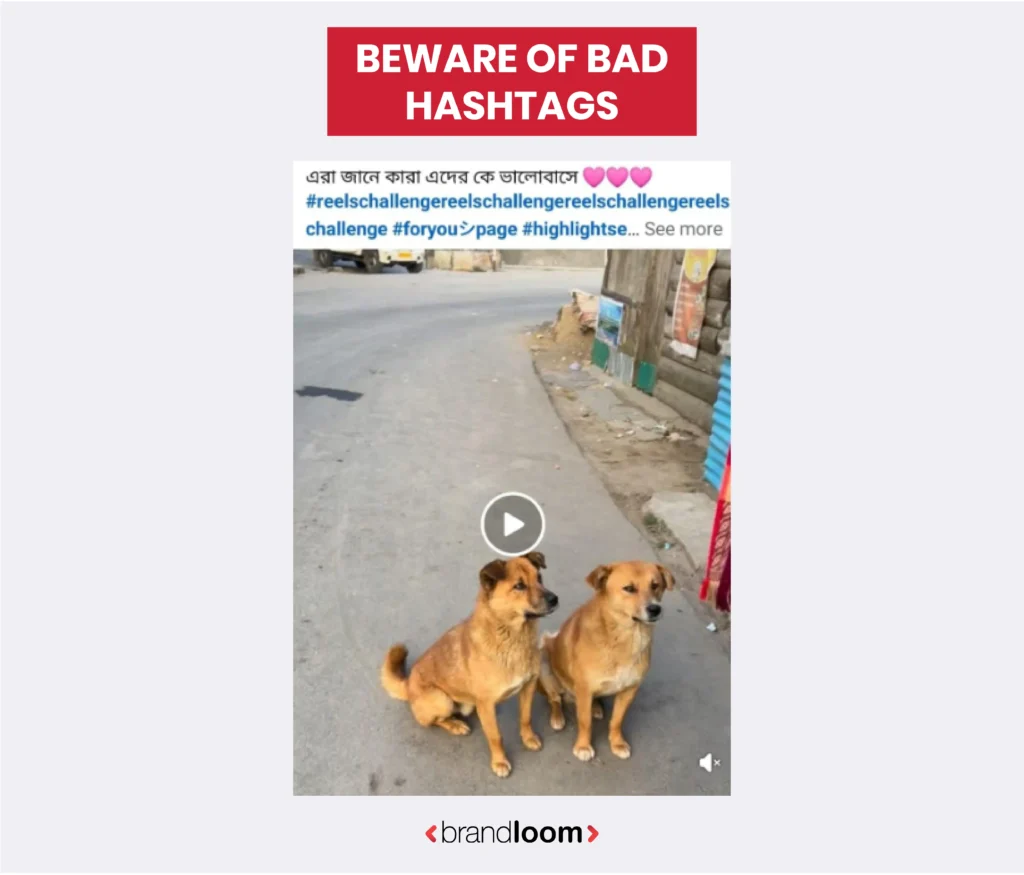
Banal hashtags and generic comments.
Scroll through the comments on three or four posts. If you see the same three or four usernames posting “Great content!” across multiple posts, those are pod members. If the hashtags look copy-pasted and unrelated to the content, same issue.
Misaligned fit and values.
This one is less about fraud and more about brand risk. What causes has this person publicly supported? What brands have they organically mentioned, and which competitors have they worked with? Have they said anything in the past 18 months that would be a problem for your brand to be associated with? One bad alignment can create a PR headache that far outweighs any campaign value.
Geographical mismatch especially critical in India.
This is one of the most damaging and overlooked mistakes in the Indian market. An influencer with a large following does not automatically have reach in the cities or states where your customers actually are. An influencer popular in metro Mumbai may have negligible reach in Tier 2 cities like Indore or Coimbatore.
One more thing worth flagging: compliance. India’s ASCI guidelines for influencer advertising require clear, prominent disclosure; a small “Paid Partnership” tag buried at the bottom of a caption may not be enough. Brands can be held liable, too; make sure every partner you work with discloses correctly, every time.
The Bottom Line
Influencer marketing strategy has always worked, honestly. The trust mechanism is real and powerful. What hasn’t always worked is how brands have measured it, chosen partners, and connected it to actual revenue outcomes.
Select influencers based on how well they fit your audience and engage with them, not on the vanity of influencer marketing metrics. Build your attribution system prior to the campaign launch, not after. Tie influencer actions into everything else that’s going on in your funnel. When you identify performers, retain them. Work with them over time rather than constantly trying out new people every quarter.
It’s not necessarily the loudest brands that are doing the best in influencer marketing right now. It’s the quiet brands that treat each and every one of their influencer partnerships as a business decision.
That’s available to you, too. Start with one well-tracked campaign. See what the numbers actually tell you. Build from there.
Frequently Asked Questions
Set up UTM links, unique discount codes, and pixel tracking before the campaign starts, not after. Track clicks, conversions, and revenue per creator. Calculate influencer marketing ROI as (Revenue – Cost) / Cost × 100. Brands using three or more attribution methods report 30% more accurate ROI figures, per Nielsen.
Yes, significantly, but the way it works has changed. The brands seeing the best returns treat it like a performance influencer marketing channel with hard attribution. The industry surpassed $24 billion in 2025 and is still growing, which wouldn’t be the case if brands weren’t seeing returns.
Most data puts the average at around $5–6 per dollar spent, with top performers exceeding $20 per dollar. That spread exists because tracking, creator selection, and creative quality vary enormously. The average matters less than understanding what’s driving results in your specific category.
It is important to begin the selection process by focusing on your target market rather than on the number of followers on influencers’ social media channels. You need to find influencers whose communities match your customers. BrandLoom’s influencer marketing team starts with your target audience, not a follower count. We map your ideal customer profile against creator demographics, engagement quality, and content authenticity
For most D2C and eCommerce brands, trying to maximize ROI? Yes, clearly. Celebrities serve a specific purpose, cultural moments, investor signaling, and massive launch reach, but “drive sales efficiently” isn’t usually their strongest suit.
Direct-response mechanisms: unique discount codes, clean affiliate links, time-limited offers. Mid-funnel content: honest reviews, tutorials, and before-and-after demonstrations.
Conversion rate from influencer traffic, cost per acquisition per creator, ROAS, and engagement rate. Reach and impressions are context, not proof. The industry grew up. Your measurement framework should reflect that.
For campaigns with direct conversion mechanics, a code, a link, or a specific offer, you can see meaningful data within a week, for brand-building activity where the goal is audience familiarity and consideration.
For your best-performing creators, absolutely. Brands that maintain influencer partnerships for six months or longer see 2x higher engagement rates versus one-off collaborations, per Influencer Marketing Hub.
Yes, a good brand like Brandloom handles everything from influencer discovery and outreach to content briefing, campaign tracking, and ROI reporting. About 62% of brands manage influencer marketing in-house, per Influencer Marketing Hub. Smaller teams with clear briefs and good tools can run effective programs without external help.