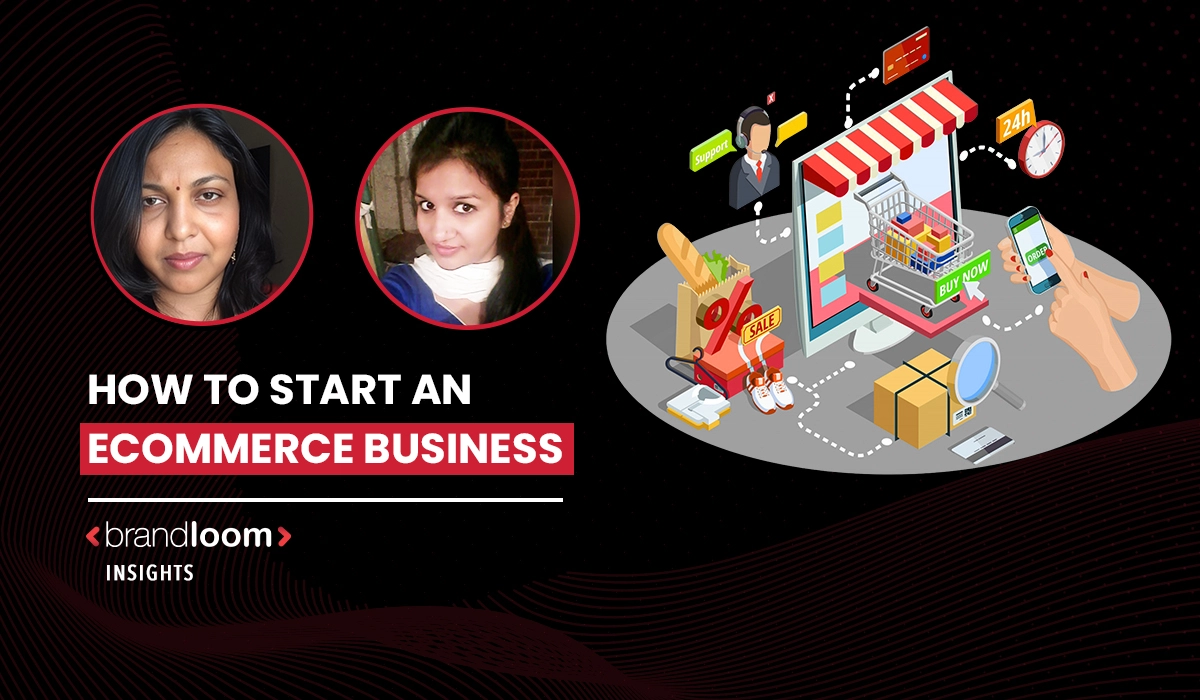
90% of e-commerce stores fail within the first 120 days. Not because their idea was bad but simply because the strategy was. The world doesn’t shop like it used to. Physical stores are disappearing. And online stores are booming faster than ever.
If you want to know how to start an e-commerce business that not only exists but thrives, scales, and endures, you’re in the right place. We understand that e-commerce isn’t just about putting up a website. It’s the opportunity to build a durable commerce business in the long term, with the right product and the right platform, and strategy.
This blog takes you through it all step-by-step so you can build, launch, and grow a profitable e-commerce business.
What is E-commerce?
E-commerce, or electronic commerce, is the buying and selling of goods and services over the internet. It covers everything from online stores and shopping carts to mobile apps and payment gateways. E-commerce comprises all actions involved in an online transaction, including selection, payment, and shipment, whether for physical goods, digital goods, or services.
Why E-commerce Is Important for Business
Scale: E-commerce gives small or big businesses the power to reach their customers worldwide around the clock.
Efficiency: It cuts costs by removing the need for physical storefronts and enables automation through e-commerce websites.
Data-Driven: It provides all the analytics you might want to see, from product page and customer behavior to cart activity, so that you can optimize your strategy.
Understanding the E-commerce Landscape
E-commerce represents the future of retail. Everyone is shopping online these days.
Consumers prefer the convenience of buying from home. Your online shop can take advantage of the increasing demand.
Launching an online retail business is not something you do with your eyes closed. You need the right strategy. You need the right tools. Most importantly, though, you need the mindset for long-term success.
The world of online selling is amazing. You can sell physical products globally. It allows you to contact customers in various time zones. Your online store operates 24/7 without breaks.
Step 1: Choose Your Product to Sell
Finding the perfect product to sell, Research market demand thoroughly. Look for products with consistent sales potential. Stay out of overfarmed markets unless you have a unique angle.
Concept product ideas using a variety of techniques. Analyze hot products from social media. Monitor bestseller lists on big online marketplaces. Look at what your niche competitors are offering.
Profit Margins That Support Sustainable Growth
Higher profits mean higher sustainability for your business. Products with 50-70% gross margins would be ideal to reach for. This margin covers advertising costs, returns, and unexpected expenses. Calculate all costs, including product sourcing, packaging, and shipping.
Low-margin products require high-volume sales to generate meaningful profits. High-margin products provide flexibility for marketing spend and business growth. Premium positioning often commands better margins than competing on price alone.
Consider the lifetime value of customers when evaluating margins. Products that encourage repeat purchases can justify lower initial margins. Subscription models and consumable products create recurring revenue streams.
Shipping Costs and Logistics
Shipping costs might be a crucial factor for net profitability for your online store. Products that are heavy tend to increase shipping charges tremendously. Fragile products have to be handled very carefully with special packaging.
Factor shipping costs into your pricing strategy. Offer free shipping by including costs in product prices. Customers prefer clear pricing over surprise charges at checkout.
Storage Needs Physical Products vs Digital Options
Physical products work best for beginners of an ecommerce business. They are easier to understand and sell. Customers trust products they can actually touch.
Physical products need inventory, shipping, and storage. They require upfront investment and operational complexity. Returns create additional costs.
Digital products eliminate inventory concerns. They scale without production costs. Margins reach nearly 100% after development.
Step 2: Choose the Right Platform
Before jumping into your business plan, a critical decision is often overlooked: Which platform should you choose?
This choice will define your store’s growth and scalability. Here’s a quick breakdown:
- Shopify: Ideal for beginners. Easy setup with no technical skills required. Handles everything from hosting to payments.
- WooCommerce: Best for flexibility. Works with WordPress, offering full control over customization but requires more technical knowledge.
- Magento: Suited for enterprises. Highly scalable but complex and costly.
- Marketplaces vs. D2C Site: Marketplaces (like Amazon) offer immediate traffic but less control. A D2C site gives you full ownership, but requires effort to drive traffic.
Skipping this step is one of the biggest mistakes new founders make. The right platform can make all the difference in your e-commerce strategy; therefore, choose smart, and watch your dream business take shape.
Step 3: Validate Your Business Idea
Validation in the market helps to avoid expensive mistakes. Before you invest a lot, test your product ideas. Collect feedback through focus groups and surveys. Put a minimally viable product in the market to test out real demand.
Create a simple landing page describing your product. Drive traffic through social media advertising. Test conversion rates and customer demand. This is the data you use to make your business decisions.
Get to know your audience; really study them. Know what ails them and what their desires are. Know the online spaces they inhabit. Know the channels that work best when reaching them.
Step 4: Create Your Business Plan
A solid business plan guides your e-commerce journey. Clarify specific, measurable revenue and growth goals. Then, plan your marketing strategies and budget allocation accordingly.
Your business plan should include:
- Executive summary with key objectives
- Market analysis and competitive landscape
- Product descriptions and pricing strategy
- Marketing and Sales Forecasts
- Financial Forecasts and Funding Requirements
- Operational Plans and Resource Allocation
When creating your plan, think long-term. Contemplate how your business is going to scale. Plan even for Plan for challenges and market changes. Build flexibility into your strategy.
Step 5: Handle Legal Requirements
Understand the legal requirements for your e-commerce website. Register your business entity with the appropriate authorities. Get any licenses or permits required by your particular industry and location.
- Register your e-commerce business with the appropriate government authority.
- Obtain all necessary licenses and permits based on your industry and location.
- Draft a Terms of Service to protect your business from liability.
- Create a privacy policy that aligns with data protection regulations (like GDPR).
- Set clear return and refund policies to manage customer expectations.
- Publish shipping policies that define delivery timelines and charges.
- Add a cookie policy to inform visitors about data tracking on your e-commerce website.
- Register your trademark to protect your brand name and logo.
- Secure your domain name and claim relevant social media handles.
Consider trademark protection of your brand name and logo. Register your domain name and relevant social media handles. Protect your intellectual property as early as possible.
Step 6: Develop Your Marketing Strategy
Marketing generates traffic and sales for your online store. Come up with a marketing strategy, covering several different channels. Focus on tactics that reach your target audience effectively.
Key marketing channels for e-commerce include
- Search engine optimization (SEO) for organic traffic
- Pay-per-click (PPC) advertising delivers immediate results
- Social media marketing for brand awareness and engagement
- Email marketing for customer retention and repeat sales
Social media platforms offer powerful marketing opportunities. Create engaging content that showcases your products. Build communities around your brand. Use social media advertising to target specific demographics.
Consider affiliate marketing to expand your reach. Partner with influencers and content creators in your niche. Offer commission-based programs that incentivize the promotion of your products.
Step 7: Optimize for Search Engines
SEO drives free, qualified traffic to your e-commerce store. Optimize your website for search engines from the beginning. Research keywords that your customers use when searching for products.
Implement on-page SEO best practices:
- Optimize product titles and descriptions with relevant keywords
- Make unique meta descriptions for each page
- Use proper heading structure and internal linking
- Optimize images with alt text and descriptive filenames
- Ensure fast loading speeds and mobile responsiveness
High-authority backlinks must be built through content marketing and outreach. Provide valuable blog posts that bring about natural linking. Guest post on relevant industry websites. Participate in online communities and forums.
Step 8: Set Up Analytics and Tracking
Data drives successful e-commerce decisions. Implement comprehensive analytics from day one. Track key metrics that indicate business health and growth opportunities.
- Traffic and conversion rates: Track the number of people who visit your site and the number who complete a purchase.
- Average order value (AOV): Monitor your average purchase amount to optimize revenue per sale.
- Customer lifetime value (CLV): Understand how much a customer is worth over time to guide marketing investment.
- Shopping cart abandonment rate: Learn how many visitors leave without purchasing a product and address checkout weaknesses. Most studies say it is around 70% or above.
- Customer acquisition cost (CAC): Calculate how much you spend to acquire each customer from different channels.
- Return on ad spend (ROAS): Assess how well your ads are producing sales and profits.
- Inventory turnover and stock levels: Monitor how quickly products sell to avoid overstocking or stockouts.
- Google Analytics: Use it to track visitor behavior, popular product pages, and traffic sources.
- Conversion tracking: Set up events to measure sales, sign-ups, and other valuable user actions. Average Shopify conversion rate is 1-3%.
- Site performance monitoring: Regularly check load speed, mobile usability, and bounce rates to improve user experience.
Step 9: Start Building Your Store
Design your e-commerce store with user experience in mind. Create a clean, professional appearance. Ensure easy navigation and fast loading times. Optimize for mobile devices since most customers shop on phones.
Focus on these essential elements:
- Design your e-commerce website to look clean, professional, and easy to use.
- Make sure your site loads quickly and works well on mobile phones.
- Use clear product categories and a search bar to help customers find items fast.
- Add high-quality images and detailed descriptions for every product.
- Create a simple checkout process with multiple payment options.
- Show trust signals like SSL badges, secure payment icons, and customer reviews.
- Display your contact info and customer support options clearly.
- Build product pages that sell with great photos and useful product details.
- Include size guides, materials, features, and how-to-use info in descriptions.
- Use a reliable shopping cart that saves items and handles payments securely.
Understanding Unit Economics (Very Important)
Here’s the thing, most e-commerce businesses don’t fail because of a bad product. They fail because they don’t understand unit economics. This is the financial heartbeat of your business.
Unit economics is simply the math that shows how much profit you make on each order after all costs are factored in. Here’s how you break it down:
- Revenue per order: What you make from the sale.
- Product cost: What you pay for the product itself.
- Shipping: The cost of getting it to the customer.
- Packaging: The cost of materials to pack the product.
- Payment gateway fees: The cost of processing payments.
- Returns: The costs involved when customers return products.
- Ad cost: What you spend to get customers in the door.
Real profit = Revenue per order – (Product cost + Shipping + Packaging + Payment gateway fees + Returns + Ad cost)
Why it matters: If you don’t know this number before you launch, you’re gambling. You need to be crystal clear on your profit margins before scaling up. Understanding unit economics sets you up to make smarter decisions from the start, helping you avoid costly mistakes down the road.
Once you know this number, you can price smarter, run more efficient ads, and ensure you’re making real profit, not just sales.
Common Mistakes to Avoid
Starting an online store business involves learning from mistakes. Avoid these common pitfalls that derail many new entrepreneurs in the e-commerce market:
Underestimating Startup Costs
Expect the unexpected and longer time frames when launching an e-commerce business. There are a variety of expenses you may not have realized that come with starting an online store. Keep additional funds available for marketing and inventory purchases.
- Some important costs to keep in mind:
- e-commerce website development
- Product sourcing
- Initial marketing campaigns
- Establishing your business bank account
- Legal requirements
- Operating costs for the first year.
- Ongoing costs- hosting, payment processing, inventory restocking
It may take at least 6-12 months to break even.
Ignoring Mobile Optimization
There are more customers shopping nowadays on mobile devices than on desktop computers. Be sure that your e-commerce store works great for all screen sizes. Have your product pages and shopping cart tested from time to time on different mobile devices.
Ignoring Customer Feedback
Listen to your customers and adapt your e-commerce site accordingly. Keep an eye on reviews from product pages or social media channels. Get back to complaints in a timely manner..
Focusing Solely on Customer Acquisition
Customer retention costs less than acquisition in any commerce business. Develop strategies to keep customers returning for repeat purchases. Focus equal attention on keeping customers as well as on finding new ones. The ideal CAC (customer acquisition cost) : LTV (lifetime value) ratio is 1:3 or higher.
Lacking Product Differentiation
Stand out from competitors with unique value propositions in your e-commerce store. Customers need reasons to choose your products over alternatives. Research what competitors offer and find gaps in their service. Avoid competing only on price unless you have sustainable cost advantages.
Poor Inventory Management
Many new entrepreneurs struggle with inventory planning for their online store business. Stockouts lose sales, while overstock ties up capital. Learn to balance inventory levels effectively.
Track sales patterns to predict demand accurately. Set reorder points to prevent stockouts and plan for seasonal demands.
Ignoring SEO and Organic Traffic
Many entrepreneurs focus only on paid advertising while neglecting organic search traffic. SEO is long-term traffic growth for your eCommerce store. Make your product pages as SEO-friendly as possible from the start. Our SEO experts can help your site be seen by the right people, at the right time, across channels.
Building Long-Term Success
Long-term success comprises the continual improvement and adjustment in the e-commerce realm. Keep yourself acquainted with the trends and technology in the realm. Keep updating your strategies on the basis of the performance data. Diversify and consider marketplaces, social commerce, and global avenues.
Before You Launch, Ask Yourself
Starting an online store business isn’t just about launching a website and hoping for the best. It’s about preparing yourself for the reality of building a sustainable and profitable business. Ask yourself these important questions before you launch:
- Can I survive 6 to 9 months without making a profit?
Many businesses don’t see profit right away. Are you financially prepared to support your business through the early months before it starts bringing in revenue?
- Do I understand my Customer Acquisition Cost (CAC)?
How much does it cost to bring in each new customer? Knowing your CAC helps you understand how much you can spend on marketing without losing money.
- Do I have a plan to keep customers coming back?
Customer retention is just as important as acquisition. Do you have a strategy to encourage repeat purchases and build long-term customer loyalty?
- Do I know why someone should choose my business?
What makes your brand stand out from others? Whether it’s your unique product, customer service, or price, you need to know exactly why customers should pick you over your competitors.
These questions help set the foundation for your business. They give you a deeper understanding of what it takes to succeed.
If you can confidently answer them, you’ll be much better prepared for the challenges of running an ecommerce startup.
Start Your E-commerce Journey with Confidence
Ecommerce success requires careful planning, consistent execution, and continuous learning. Focus on providing value to your customers. Build systems that scale with your growth. Stay adaptable as markets and technologies evolve.
Just keep in mind that every successful e-commerce entrepreneur began where you are now. They shared the same questions and fears. They acted before some things were known. You can achieve similar success with dedication and the right approach.
If you need help launching, designing, or scaling your ecommerce startup, BrandLoom is here to guide you. As a leading digital marketing agency, we help ambitious entrepreneurs like you turn online dreams into reality with data-driven strategies, branding, and e-commerce development.
Start your journey with BrandLoom by your side and build the e-commerce business you’ve always imagined.
Frequently Asked Questions
An e-commerce business is a company that sells products or services online. Customers visit your e-commerce website, look at product pages, select products to be put in their carts, and finally, purchase them digitally. You can market physical goods, digital goods, or services. When an order is placed, the payment goes through a payment gateway, is processed, and the order is fulfilled either by shipping or download. E-commerce removes geographical limitations, giving businesses access to a global market.
High-converting product pages require compelling headlines, quality images, clear CTAs, detailed descriptions, trust signals, and customer reviews. Use bullet points for readability and highlight benefits over just features. Incorporate urgency triggers like limited stock or fast delivery. Optimize for SEO using keywords customers search for. Include a seamless shopping cart experience and responsive design for all devices.
BrandLoom helps design e-commerce websites and product pages that are both visually appealing and conversion-focused. Our UI/UX expertise ensures every visitor to your e-commerce store is more likely to become a buyer, boosting revenue and maximizing long-term performance.
Effective e-commerce marketing involves SEO, social media, email campaigns, influencer collaborations, content creation, and affiliate marketing. SEO helps your e-commerce website rank higher in search engines, while social media platforms like Instagram and Facebook can drive direct traffic to product pages. Email marketing nurtures leads and encourages repeat purchases. BrandLoom develops tailored ecommerce marketing plans that blend organic and paid strategies for measurable growth.
Over the past 23 years, team Brandloom has helped 100+ brands build profitable, scalable businesses across India, the US, UK and beyond. If you’re serious about building an e-commerce brand and not just simply launching a store, then let’s talk.
Affiliate marketing is a performance-based strategy where individuals or businesses promote your e-commerce products and earn a commission for every sale they generate. These affiliates use platforms like blogs, social media, YouTube, or email newsletters to drive traffic to your e-commerce website using trackable links. It’s a low-risk, high-reward marketing tactic that expands your online store’s visibility without upfront costs.
BrandLoom, a leading digital marketing agency, helps design, launch, and manage scalable affiliate programs for e-commerce businesses. We take care of every step—from affiliate onboarding and compliance to commission tracking, performance optimization, and building long-term partnerships that drive recurring revenue. Our affiliate marketing strategies focus on measurable ROI and strategic brand positioning, helping your e-commerce business grow sustainably and cost-effectively.
Social media platforms like Instagram, Facebook, Pinterest, and LinkedIn are powerful tools to attract traffic. Share product demos, testimonials, behind-the-scenes content, and promotions. Use hashtags, reels, and influencer partnerships to expand reach. Paid ads on Meta or TikTok help drive targeted traffic quickly.
BrandLoom creates data-backed social media strategies that engage audiences and increase traffic to your e-commerce website. From content calendars to ad targeting, we tailor every campaign to match your e-commerce goals. Whether you’re selling physical products or digital services, our social media approach ensures long-term brand engagement and repeat visits to your online store.
To optimize your e-commerce site for long-term growth, focus on delivering a seamless user experience across devices. Begin by improving site speed, navigation, and mobile responsiveness. Implement strong on-page SEO across product pages, using relevant keywords and meta descriptions. Use analytics to track user behavior and conversions, allowing you to refine marketing and site structure. Add quality content regularly—blogs, how-to guides, and videos help improve ranking and build trust. Create loyalty programs, automate email marketing, and use retargeting ads to retain customers.
BrandLoom, a digital marketing agency, can help build and scale your e-commerce website strategically. Our experts ensure your e-commerce store is optimized for performance, visibility, and conversions from day one. From improving shopping cart flows to integrating scalable tech tools, we help you stay ahead in the e-commerce market. With BrandLoom’s support, you can create a digital ecosystem that fuels continuous growth for your online store.
Starting an e-commerce business requires clarity. You get clarity by –
Choosing a product that has steady demand and healthy margins.
Avoiding crowded markets unless you have a clear differentiator.
Validate your idea through surveys, landing pages or small test ads before investing heavily in inventory.
The next part is creating a simple business plan. This plan needs to cover the aspects of pricing, sourcing, shipping and marketing costs. Register your business legally and set up policies like returns and privacy. Then select an e-commerce platform, design your store, add clear product pages and integrate secure payments.
Finally, focus on marketing. Use SEO, social media and paid ads to drive traffic, and set up analytics to track performance. You can succeed if you treat it like a system and not a side project. Planning and consistent execution matters the most, much more than speedy growth. If that seems intimidating, talk to India’s top brand consultants to figure out a brand strategy.
There are four primary e-commerce models based on who you are selling to:
B2C (Business to Consumer):
Businesses sell directly to customers. This is the most common model for online stores like fashion, electronics or home products.
B2B (Business to Business):
Companies that sell products or services to other businesses, often in bulk or subscription models.
C2C (Consumer to Consumer):
Individuals sell to other individuals through marketplaces like resale or auction platforms.
C2B (Consumer to Business):
Individuals offer services or products to businesses, such as freelancers or creators licensing content.
Most first-time founders start with B2C as it is simpler to launch and scale. No matter what, make sure you have an ROI-focused marketing partner like BrandLoom to start connecting with the audience from the get go.
Yes, with the right fundamentals, e-commerce can be highly profitable. Profitability depends on volume, sure. But it also depends on product margins, customer acquisition costs and repeat purchases.
If your margins are too low, advertising and shipping will eat your profits. Ideally, you should aim for 50–70% gross margins to cover marketing, returns and operations comfortably. High-margin or repeat-purchase products perform better long-term.
Many stores fail because costs aren’t calculated properly rather than a low demand is low. When you control expenses, optimize conversions and focus on customer retention, an e-commerce business can become scalable and sustainable.
It is profitable for those who plan strategically and do not “just launch and hope.” To make sure your brand belongs to the first group- talk to ROI-specialist marketing agencies like BrandLoom.
The best eCommerce platform for you depends on your goals, budget and technical comfort.
If you want a quick setup and an easy-to-use interface, Shopify is usually the best option. It handles hosting, security, and payments with minimal effort.
If you need full customization and control, WooCommerce (WordPress) works well but requires more technical involvement.
For marketplace-first sellers, platforms like Amazon and Flipkart help you get started quickly without building your own store.
For most beginners, a hosted solution like Shopify is ideal because it reduces complexity and lets you focus on sales and marketing rather than tech issues.
You should choose simplicity first. You can always upgrade later.
Technically, yes. Strategically, no.
Today, anyone can set up an online store in a day using templates and tools. But building a profitable online business takes planning, testing, and continuous optimization.
The real challenges aren’t building the website – they are choosing the right product, driving traffic, managing costs and retaining customers. Many founders underestimate these parts.
If you approach it casually, it feels difficult. If you follow a clear process and treat it like a serious business, it becomes manageable.
So starting is easy. Succeeding requires discipline, data and smart decisions. It is best to create a clear and practical brand strategy and business plan with a reputable marketing agency like BrandLoom, and follow their lead.